

Fertility Diagnoses
Fertility Institute of Hawaii
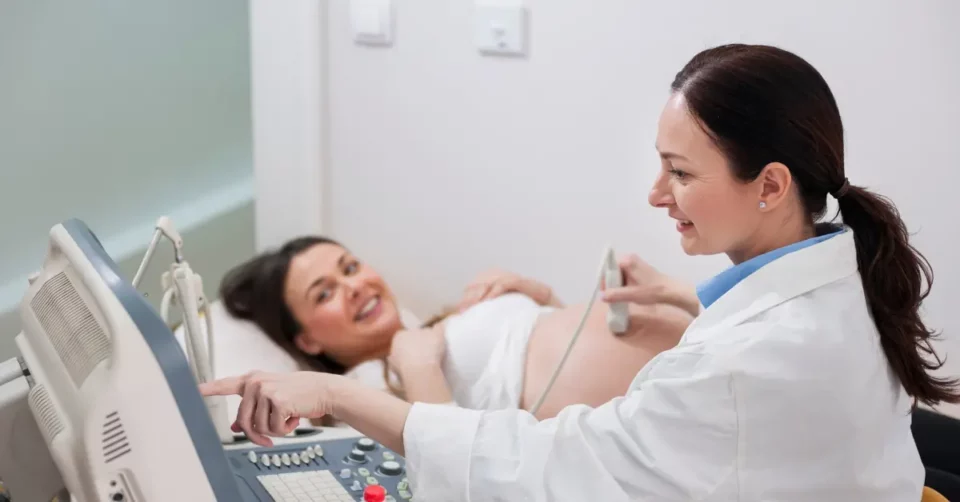
A clear diagnosis comes first. At the Fertility Institute of Hawaii, we find the cause of infertility, then build your plan around it. Some people need a few basic tests. Others need a deeper workup. We guide you through either one.
Infertility is defined as not getting pregnant after 12 months of trying, or after 6 months if you are 35 or older. You do not have to wait that long to ask for help. An earlier visit makes sense if you have irregular periods, known endometriosis, past pelvic surgery, or two or more pregnancy losses.
Don’t know where to start? Navigate your path to success. Take our fertility quiz!
Ready for answers and to get clarity on your diagnosis and a treatment plan built around your goals?
Schedule a consultation with our team.
Call 808-545-2800 or Text us 808-855-6932.
Frequently asked questions
When should I see a fertility specialist?
If you are under 35 years old, it is recommended to consult a specialist after trying to conceive for 12 months. If you are 35 or older, you should seek advice after 6 months of trying. For those aged 40 or older, many specialists suggest starting evaluations immediately. Additionally, it is important to seek help earlier if you experience irregular periods, have a history of endometriosis or blocked fallopian tubes, are aware of sperm issues, or have had two or more pregnancy losses.
What tests are part of a fertility evaluation?
Most evaluations include blood tests to assess ovarian reserve, such as AMH (Anti-Müllerian Hormone) testing, an ultrasound, an assessment of ovulation, imaging of the uterus and fallopian tubes, and a semen analysis for the partner. Your physician may add or omit certain tests based on your medical history.
Does a diagnosis mean I need IVF?
No. Many conditions respond to medication, surgery, or intrauterine insemination (IUI). We recommend IVF when it gives you the best chance based on your diagnosis, age, and goals, and we explain why.
Can the cause be on the male side?
Yes. Male factors contribute in many couples, and a semen analysis is quick and noninvasive. We recommend testing both partners at the start so no time is lost.
What if all my tests are normal?
This is called unexplained infertility, and it is common. Normal results do not mean there are no options. We review your history again and lay out treatment steps. See our Unexplained Infertility page.
What is PMOS, and is it the same as PCOS?
PMOS stands for Polyendocrine Metabolic Ovarian Syndrome. It is the newer name for the condition long called polycystic ovary syndrome (PCOS). Our PMOS (PCOS) page explains symptoms, testing, and treatment.
Where can I be seen?
FIH has its main office and fertility laboratory in Honolulu, but we also travel to the Big Island and Maui monthly to see patients. We also see patients from across the Pacific and abroad. Visit our International Page to plan your visit.